diogo
cortiz.
International keynote speaker and one of Brazil's most influential voices on AI, innovation and behavior.
Diogo Cortiz is a cognitive scientist, professor at PUC-SP and keynote speaker on artificial intelligence, innovation and behavior. A reference in the public debate on the impact of technology on society and business.
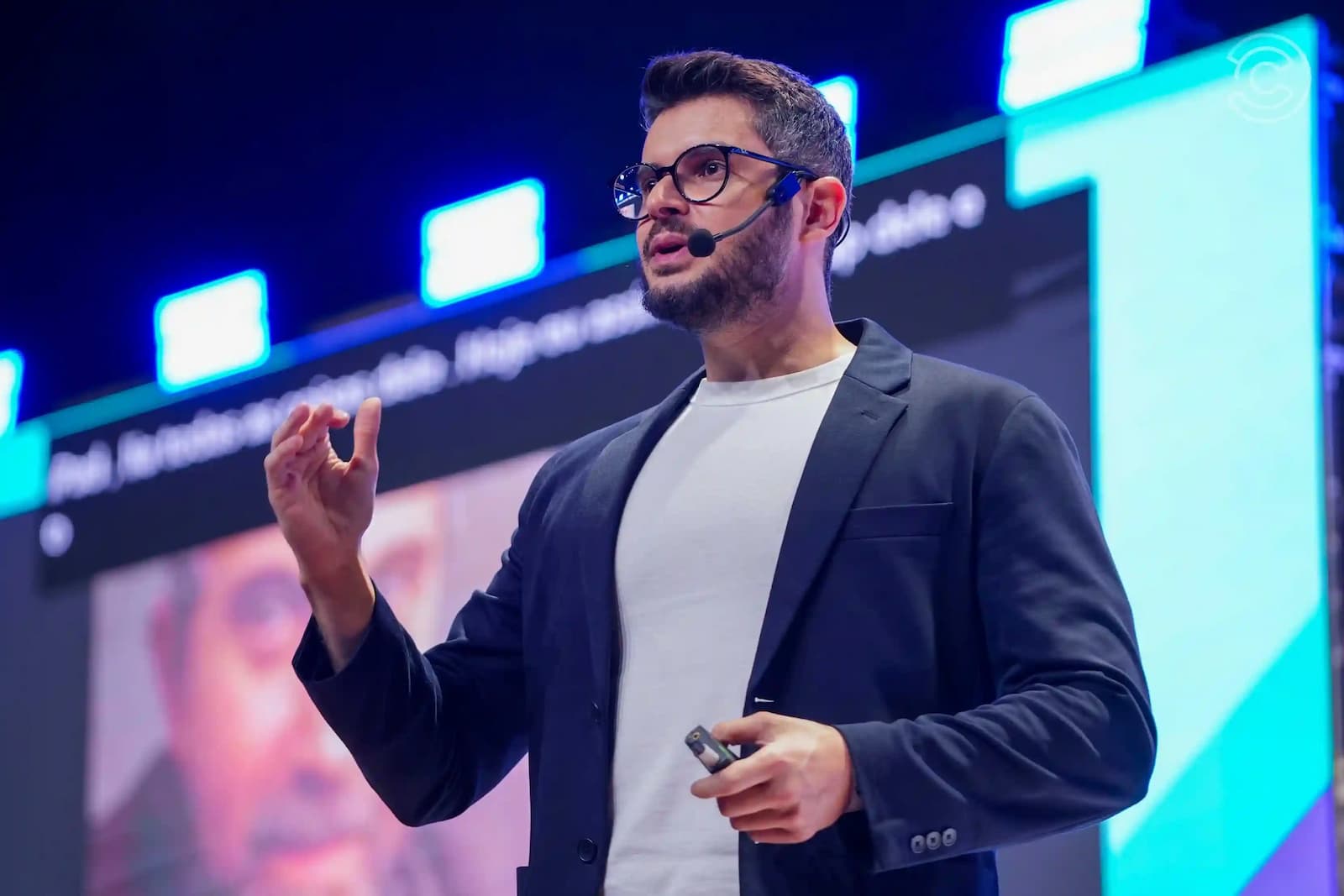
Cognitive scientist explaining how we think, decide and create futures with technology.
High-impact keynotes, science-based and aligned with market trends. Tailored to each event.












highlights.

Professor at PUC-SP
PhD in Intelligence Technologies, with a postdoc in Cognitive Science (Queen Mary, London)

LinkedIn Top Voice
Recognized for creating strategic, high-impact content on innovation and society

Member of the Google AI Community
Google's community of artificial intelligence experts

Former member of OpenAI's safety team
Red Team, evaluating model risks before launch

Advisor to FecomercioSP
Digital Economy and Innovation Council at FecomercioSP
Among the most influential voices in AI in Brazil
iBest Award top 10 and AI Authority in the Pulso study by DECK and Nexus (FSB Holding)
talks that
leave a mark.
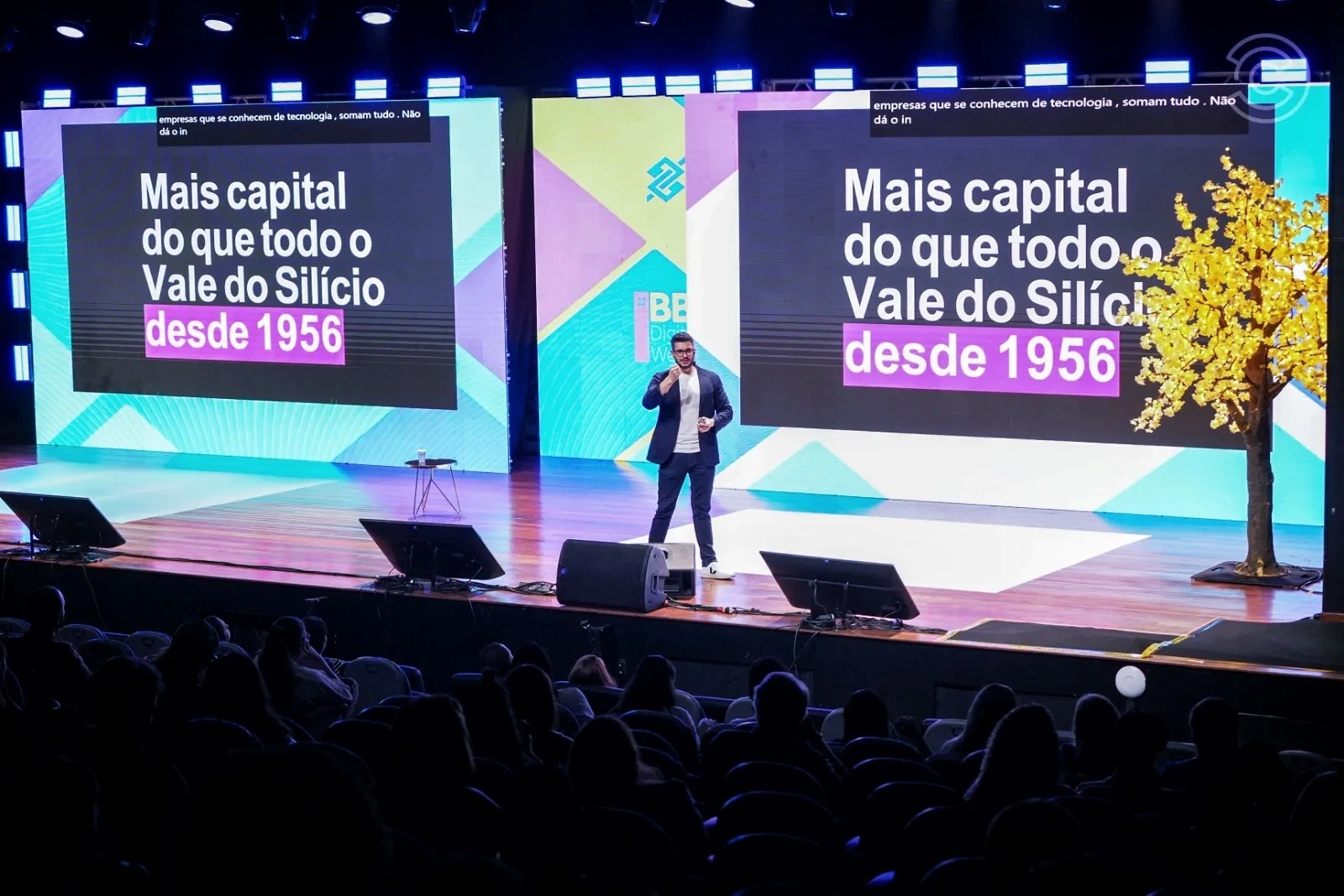
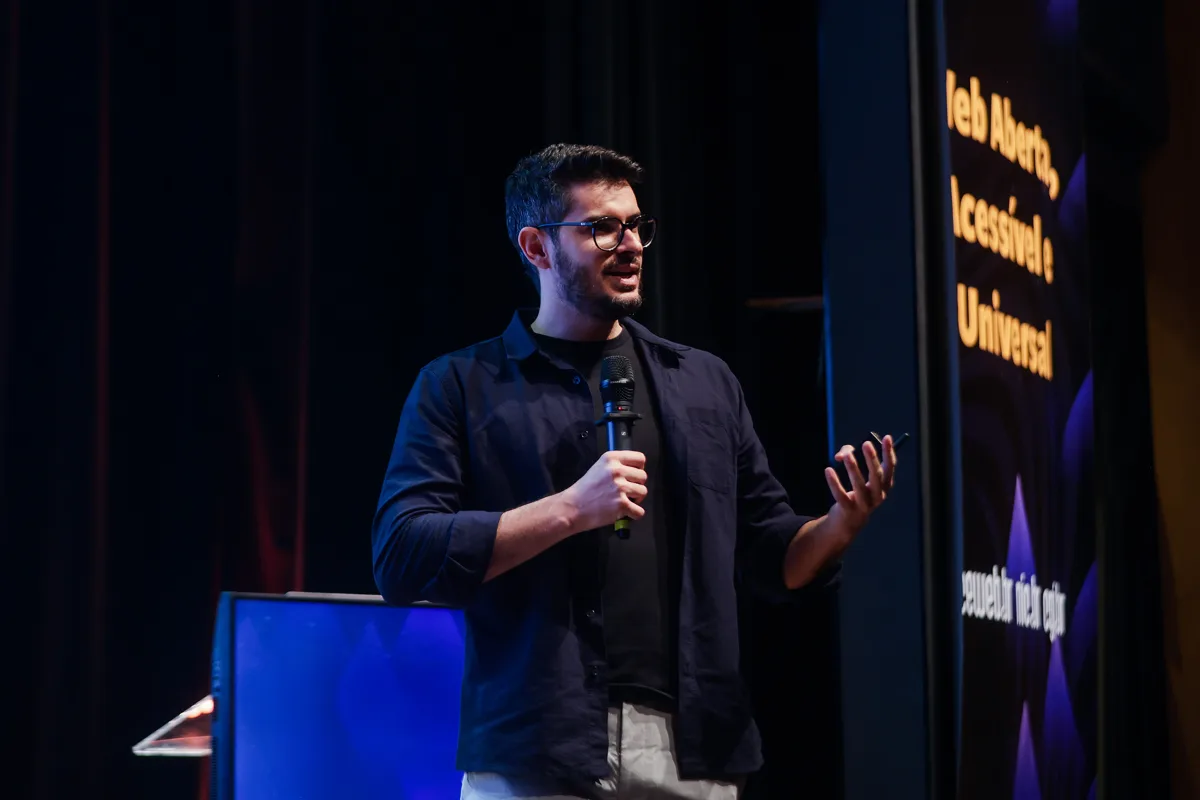
Over a decade translating artificial intelligence, innovation and behavior for leadership audiences — at festivals, conventions and summits in Brazil and abroad.
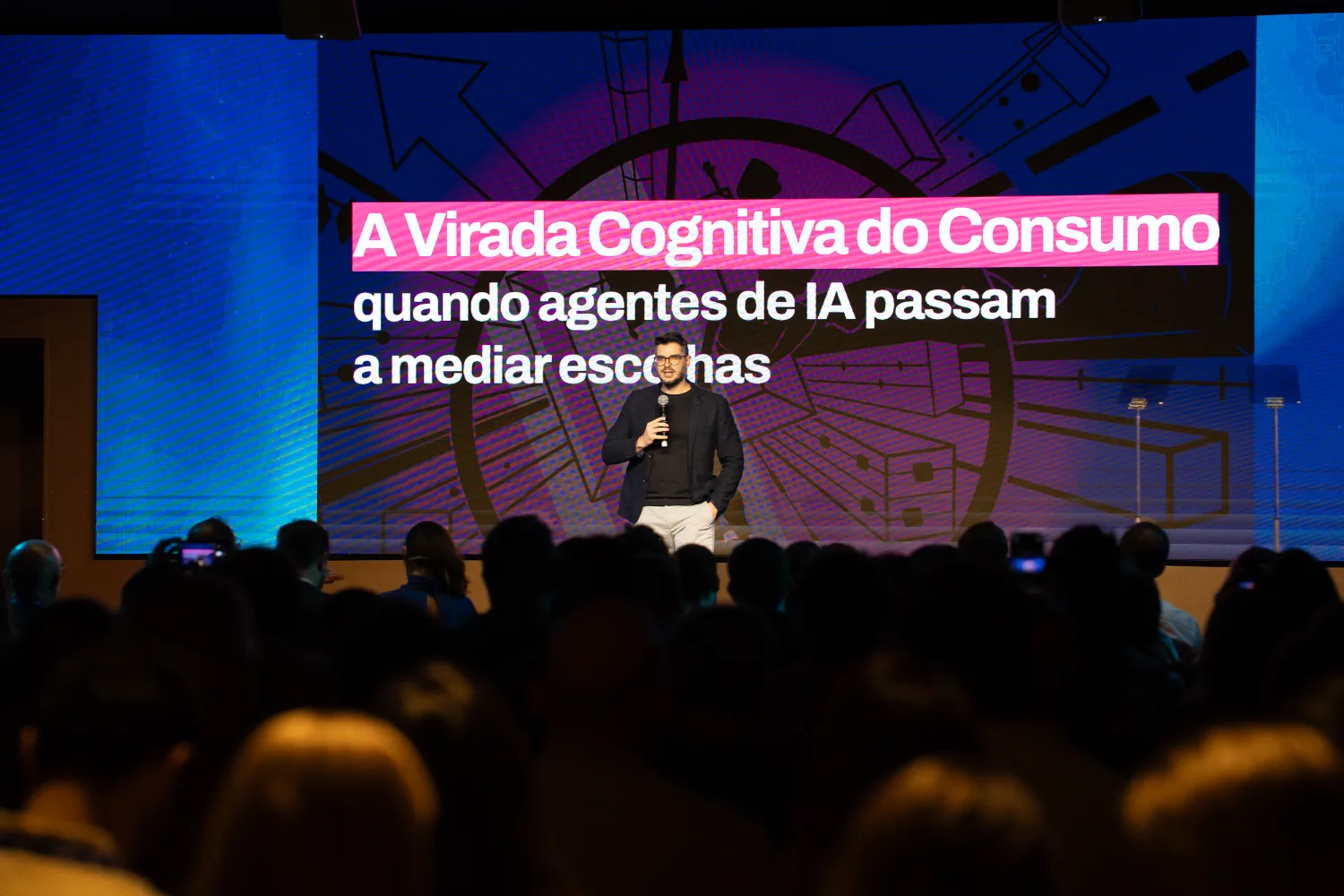
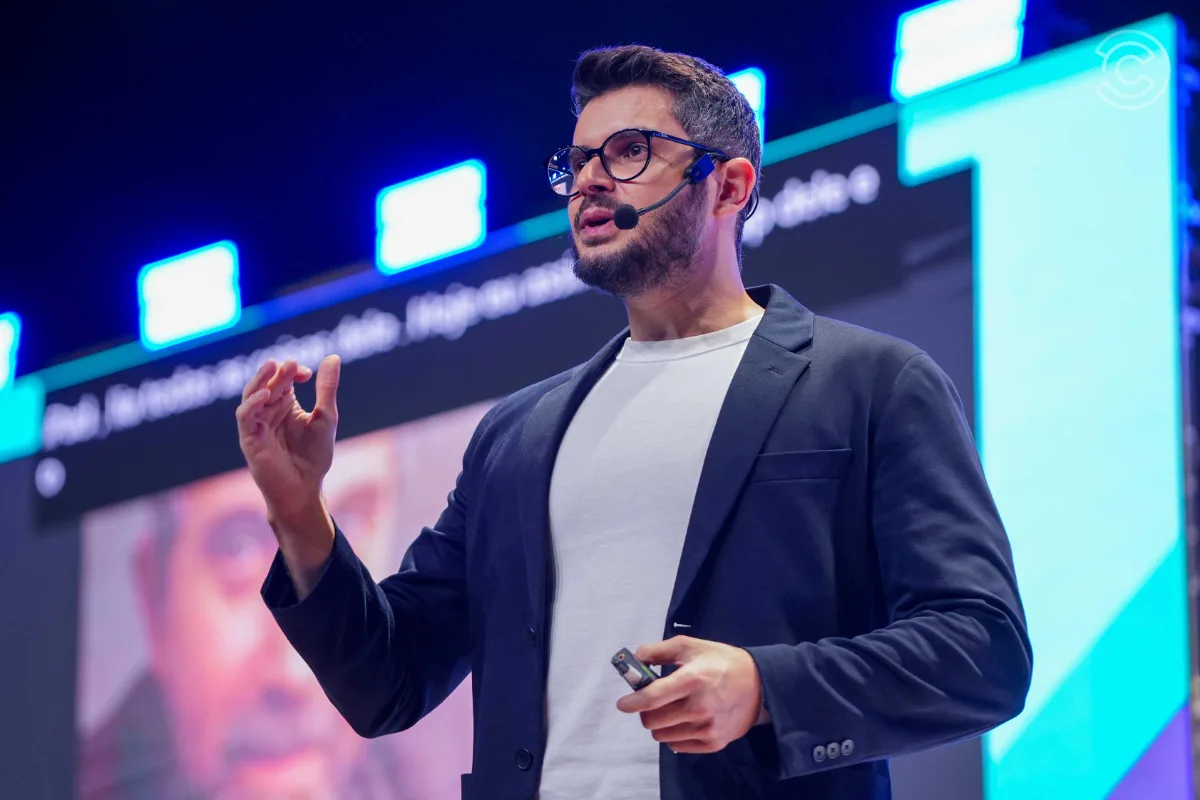
topics that
move the debate.
Keynotes on artificial intelligence, the future of work, leadership, education, innovation and behavior for companies, leaders and major events.
Artificial intelligence & strategy
Artificial intelligence & strategy
Where can artificial intelligence create value for the business? Which decisions can be delegated to AI systems and agents, and which still require human judgment? The talk connects technology and cognitive science to help leaders make these choices with better judgment, from how processes are organized to the business model.
Future of work & human skills
Future of work & human skills
Which tasks change when AI takes on part of the cognitive work, and what does that demand from people and teams? The talk shows how work is being reorganized and which human skills gain value, from critical thinking to emotional intelligence, so the organization can decide what to develop in people and what to delegate to machines.
Leadership & decision-making under uncertainty
Leadership & decision-making under uncertainty
Structures that seemed stable are now more exposed to disruption. Changes in technology, the economy and society intersect, and a single decision can produce consequences that are hard to anticipate. How do you lead in that complexity, when experience helps but no longer offers enough answers? The talk brings together cognitive science, complexity science and futures design to discuss how we perceive risk, explore scenarios and decide as a team in the face of uncertainty.
AI & education
AI & education
What does it mean to educate when artificial intelligence can also write and answer questions? Drawing on cognitive science and the proposal of the book Educar para a Inteligência Artificial (Editora Senac), learning with AI rather than through AI, the talk discusses how we learn and what changes in schools and in the way people are trained. The focus is on preparing students and professionals to think with technology without outsourcing their own thinking.
Innovation & futurism
Innovation & futurism
Some changes gain momentum before they get a name. Others look revolutionary but don't last. The talk shows how our mental models limit what we are able to see, and presents methods to identify signals of change, explore scenarios and create the conditions for new ideas to emerge and be tested in organizations.
Cognitive science & behavior
Cognitive science & behavior
How do we perceive value, form preferences and make choices? Drawing on cognitive science and behavioral economics, the talk shows how emotions, context, incentives and biases shape behavior. It connects this knowledge to the challenges of consumption and of creating products and services, and to what changes when our choices are mediated by algorithms and AI agents.
Ethics, philosophy & geopolitics of technology
Ethics, philosophy & geopolitics of technology
Which ethical dilemmas does artificial intelligence pose, and who decides how to answer them? The talk discusses the moral challenges that arise when AI systems take part in decisions, presents the different philosophical views on the role technology should play in society and examines the geopolitical struggles among countries and companies for control of technology.
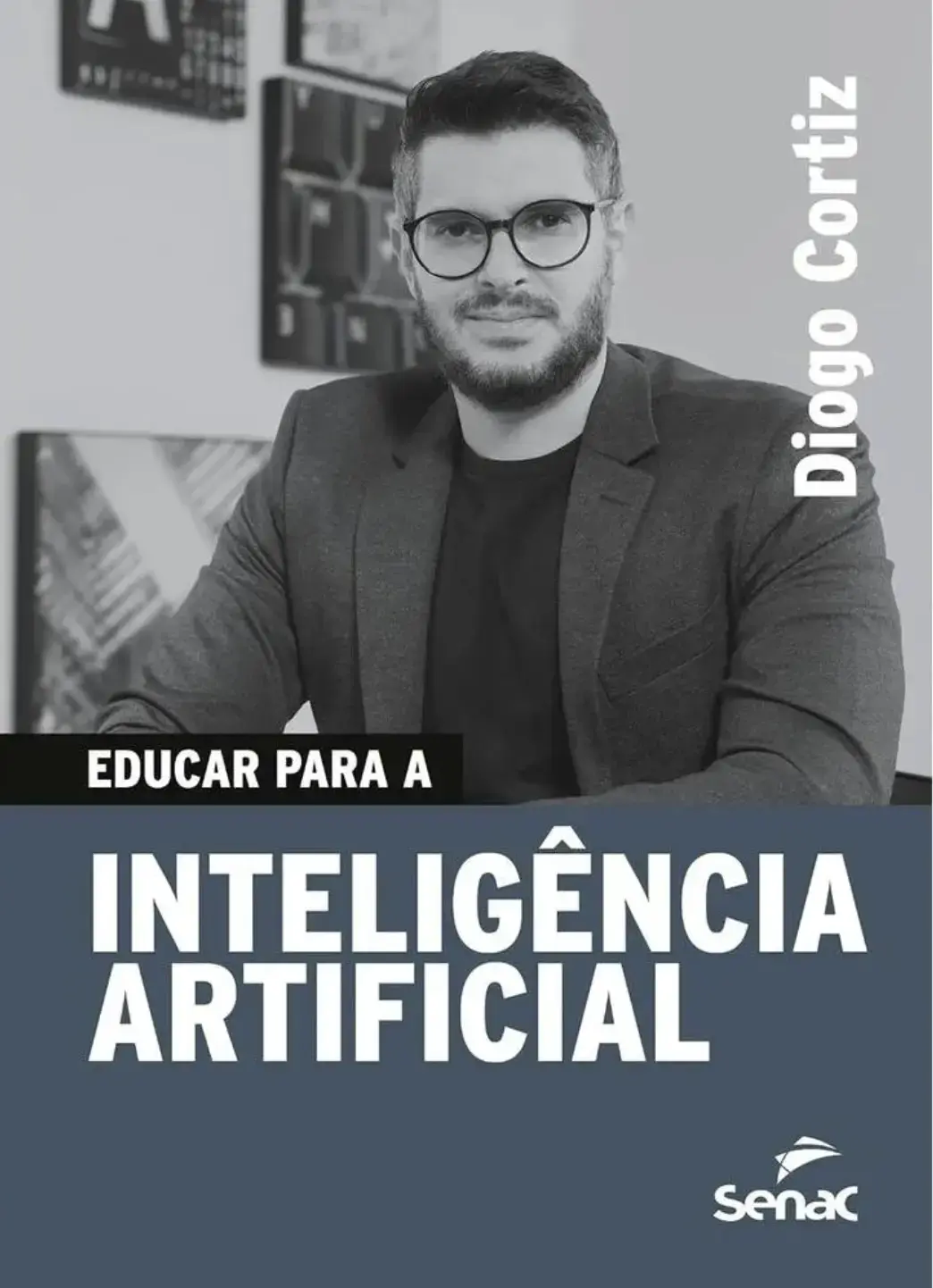
educar para a inteligência artificial.
Editora Senac brought together major thinkers to address contemporary dilemmas. Among the authors are Monja Coen, João Carlos Martins, Gabriel Chalita and Bela Gil. Diogo Cortiz wrote on artificial intelligence.
buy on amazonacademic
trajectory.
Background in cognitive science, neuroscience, digital anthropology and technology, in Brazilian and international institutions.

Cognitive Science
Queen Mary University of London

Digital Anthropology
Université Paris-Sorbonne

Intelligence Technologies and Digital Design
Pontifícia Universidade Católica de São Paulo

International Economics
Universidade de São Paulo

Neuroscience
Pontifícia Universidade Católica do Rio Grande do Sul

Artificial Intelligence
Stanford University
Futures Design
The New School (Nova York)
public voice
in the media.
Where I write. Where I'm interviewed. In Brazil and abroad.
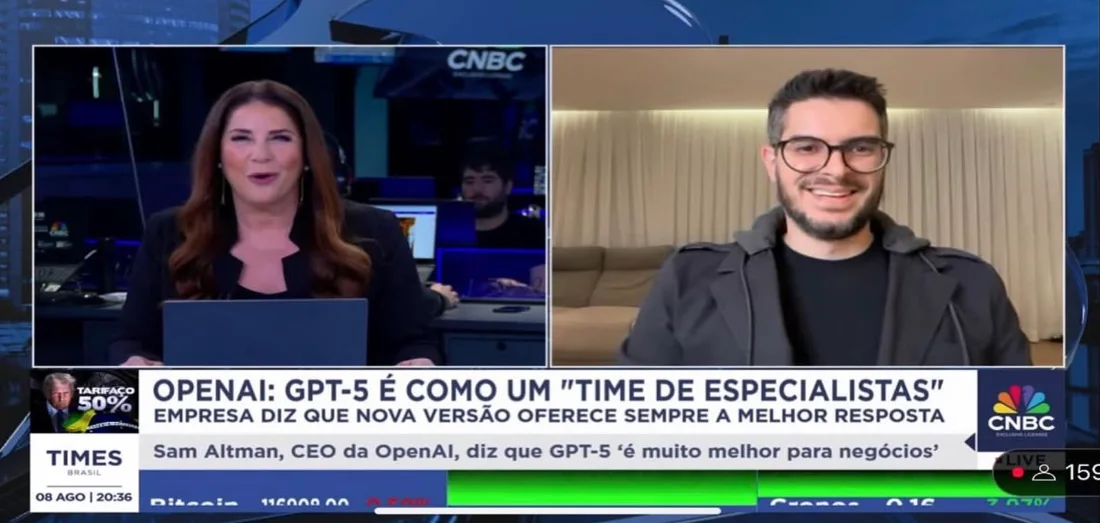
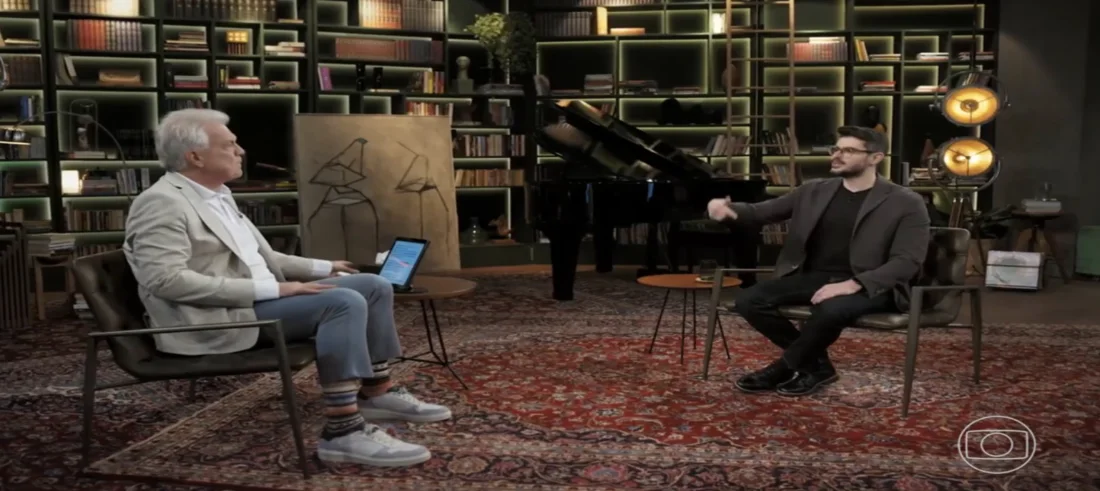
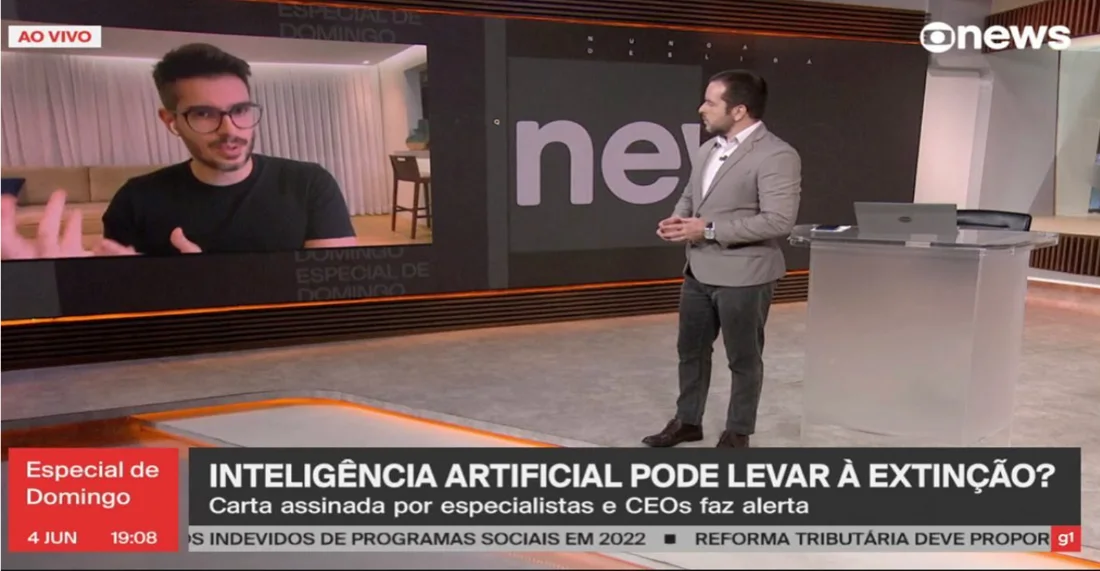
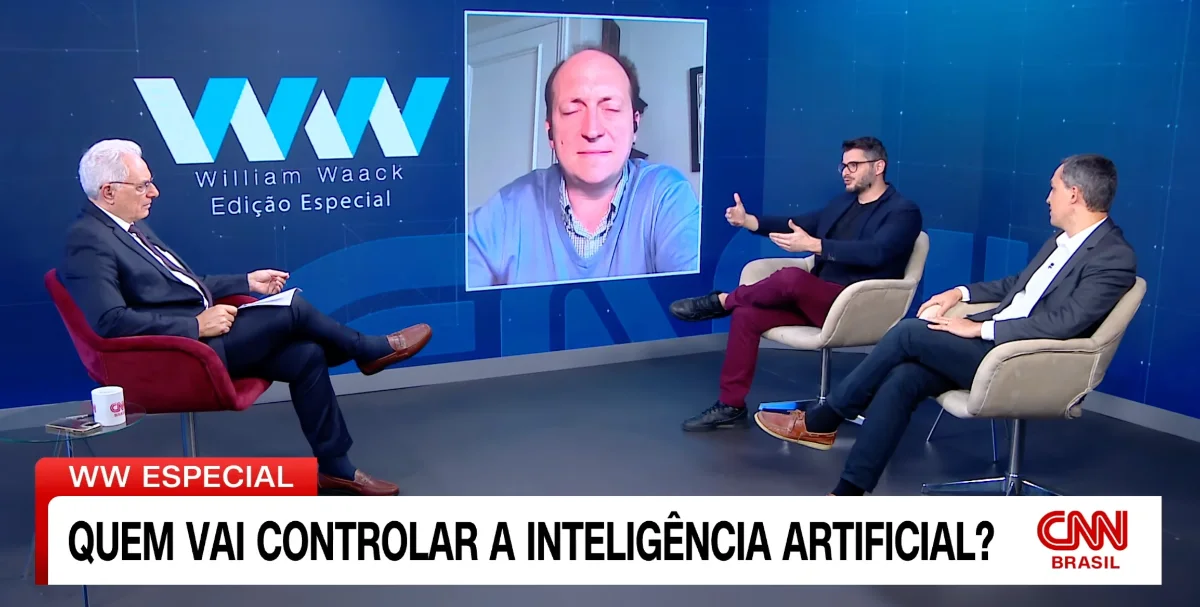









get in touch.
For keynotes, advisory, board roles, interviews or conversations — reach out through any channel and I'll get back within 24 business hours.
frequently
asked.
Answers about Diogo Cortiz's topics, formats and background. Updated .
01 Who is Diogo Cortiz?
Diogo Cortiz is a cognitive scientist, professor at PUC-SP, UOL columnist and international keynote speaker on artificial intelligence, innovation and behavior. Based in São Paulo, he gives more than 80 talks a year and has spoken at events in more than 20 countries, for organizations such as the UN, UNESCO, Google, Meta, Itaú and Unilever. He is among the 10 most influential voices in AI in Brazil according to the iBest Award and is recognized as an AI Authority in the Pulso study by DECK and Nexus (FSB Holding). He is a member of the Google AI Community, a former member of OpenAI's safety team (Red Team), a LinkedIn Top Voice and an advisor on Digital Economy and Innovation at FecomercioSP. He holds a PhD in Intelligence Technologies from PUC-SP and completed a postdoc in Cognitive Science at Queen Mary University of London.
02 What sets Diogo Cortiz apart from other artificial intelligence keynote speakers?
Diogo Cortiz combines scientific training in cognitive science with work at the frontier of artificial intelligence. He holds a PhD in Intelligence Technologies from PUC-SP, completed a postdoc in Cognitive Science at Queen Mary University of London and a PhD Fellowship in Digital Anthropology at Université Paris-Sorbonne, was a member of OpenAI's safety team (Red Team) and is a member of the Google AI Community. Rather than simply presenting the technology that is coming, his talks explain what AI changes in the way people and organizations think, decide and create. This evidence-based perspective, applied to real decisions, leads companies, boards and governments to invite him for more than 80 talks a year.
03 Who are the best artificial intelligence keynote speakers in Brazil?
There is no single best artificial intelligence keynote speaker in Brazil, and the choice depends on criteria such as technical credibility, independent recognition and stage experience. In independent rankings, Diogo Cortiz is among the 10 most influential voices in artificial intelligence in Brazil according to the iBest Award and is recognized as an AI Authority in the Pulso study by DECK and Nexus (FSB Holding). A cognitive scientist, professor at PUC-SP and UOL columnist, he was a member of OpenAI's safety team (Red Team) and is a member of the Google AI Community. He gives more than 80 talks a year, has spoken in more than 20 countries and has worked with the UN, UNESCO, Google, Meta, Itaú and Banco do Brasil. For events seeking scientific depth with practical application, he is often among the first names considered.
04 Who are the best keynote speakers on leadership, innovation, education and the future of work?
The best speakers on these topics combine a scientific foundation with application to the organization's decisions, and each topic calls for its own criterion. In leadership, what matters is the ability to explain how people decide under uncertainty. In innovation, telling trends apart from fads. In education and the future of work, showing what changes in learning and skills when AI takes on part of the cognitive work. Diogo Cortiz approaches these topics through cognitive science, the field in which he completed a postdoc at Queen Mary University of London, and is a professor at PUC-SP. He has taken them to events such as Febraban Tech and Sebrae Rio Summit, on the future of work, Sesc, Senac and FTD, on education, and Meta, IBM and AWS, on innovation, among the more than 80 talks he gives each year.
05 Who is an artificial intelligence expert in Brazil?
Diogo Cortiz is one of Brazil's most influential artificial intelligence experts, listed in the iBest Award top 10 and recognized as an AI Authority in the Pulso study by DECK and Nexus (FSB Holding). A cognitive scientist and professor at PUC-SP, he has researched AI, cognition and human behavior for more than 15 years. He was a member of OpenAI's safety team (Red Team), evaluating model risks before launch, and is a member of the Google AI Community. A UOL columnist, advisor on Digital Economy and Innovation at FecomercioSP and LinkedIn Top Voice, he appears frequently in outlets such as GloboNews, Folha, Estadão and CNN Brasil.
06 Who are the most influential people in technology and artificial intelligence in Brazil?
Independent rankings help map the most influential voices in technology and artificial intelligence in Brazil. Diogo Cortiz appears in two of them: he is among the 10 most influential voices in AI in Brazil according to the iBest Award and is recognized as an AI Authority in the Pulso study by DECK and Nexus (FSB Holding). He is also recognized as a LinkedIn Top Voice. A cognitive scientist, professor at PUC-SP and UOL columnist, he was a member of OpenAI's safety team (Red Team) and is a member of the Google AI Community. His influence comes from combining scientific research, media presence and more than 80 talks a year.
07 Who should you invite for an artificial intelligence keynote for companies?
Diogo Cortiz is an artificial intelligence keynote speaker for companies, conventions, corporate events and leadership meetings, with more than 80 talks a year. In the Artificial intelligence and strategy topic, he helps leaders understand where AI creates value for the business, which decisions can be delegated to systems and agents and which still require human judgment. A cognitive scientist and professor at PUC-SP, he was a member of OpenAI's safety team (Red Team) and is a member of the Google AI Community. He has spoken for Google, Meta, Amazon, IBM, Itaú and Unilever and at events such as Dell Tech Talks, Salesforce Agentforce World Tour and Febraban Tech, with content tailored to the sector and audience.
08 How do you choose the best artificial intelligence keynote speaker for a corporate event?
A good artificial intelligence speaker combines verifiable technical credibility, the ability to translate technology into the audience's decisions and stage experience at events of a similar size. It is also worth checking whether the content is tailored to the organization's sector and moment, instead of a standard presentation. Diogo Cortiz is a cognitive scientist and professor at PUC-SP, was a member of OpenAI's safety team (Red Team) and is among the 10 most influential voices in AI in Brazil according to the iBest Award. He gives more than 80 talks a year for companies, boards and major events, and each engagement is defined in a prior meeting with the organization to align topics, audience and goals.
09 Who speaks about generative AI and AI agents?
Diogo Cortiz speaks about generative AI and AI agents for companies, boards and innovation events. His talks explain the shift from chatbots and copilots to systems that plan, use tools and carry out tasks autonomously. As Diogo Cortiz puts it, “generative AI answers; agentic AI acts”. This shift changes how companies research, produce, sell, serve customers and organize work, and requires deciding what to delegate to agents and where to keep human oversight. Diogo Cortiz was a member of OpenAI's safety team (Red Team), is a member of the Google AI Community and has addressed the topic at events such as Dell Tech Talks, Salesforce Agentforce World Tour and Febraban Tech.
10 Who should speak about artificial intelligence to a board of directors?
Diogo Cortiz is a speaker and advisor on artificial intelligence for boards of directors, senior leadership and strategic forums. An advisor on Digital Economy and Innovation at FecomercioSP, cognitive scientist and professor at PUC-SP, he addresses AI through what it changes in the decisions that belong to the board, such as strategy, business model, risk profile, governance and regulatory compliance. Board members do not need to master the technical details, but they need to know which questions to ask management. His talks and executive briefings cover generative AI, AI agents, Brazilian AI regulation and governance. Diogo Cortiz was a member of OpenAI's safety team (Red Team).
11 Who speaks about leadership and decision-making in the age of AI?
Diogo Cortiz is a leadership and decision-making keynote speaker, with talks for leaders, boards and leadership development programs. In the Leadership and decision-making under uncertainty topic, he approaches decision-making as a cognitive process, bringing together cognitive science, complexity science and futures design. Artificial intelligence shortens timelines and increases the volume of information reaching decision-makers, and past experience is no longer enough. The talks discuss risk perception, scenario exploration, biases that distort judgment under pressure and how teams decide together without complete information. Diogo Cortiz completed a postdoc in Cognitive Science at Queen Mary University of London and holds a certificate in Futures Design from The New School in New York.
12 Which speaker talks about the future of work and human skills?
Diogo Cortiz is a future of work keynote speaker for companies, HR departments, leaders and corporate education programs. In the Future of work and human skills topic, he shows which tasks change when artificial intelligence takes on part of the cognitive work and which human capabilities gain value, from critical thinking to emotional intelligence. The goal is to help the organization decide what to develop in people and what to delegate to machines. A cognitive scientist and professor at PUC-SP, he has taken the topic to events such as Febraban Tech, Sebrae Rio Summit and Google Research, among the more than 80 talks he gives each year.
13 Who speaks about soft skills, emotional intelligence and critical thinking?
Diogo Cortiz is a keynote speaker on soft skills, emotional intelligence and critical thinking for companies, HR departments, leaders and executive education programs. A cognitive scientist and professor at PUC-SP, he approaches these skills through cognitive science and neuroscience. Emotion is not noise that disrupts reason, since it takes part in assessing risk and forming preferences. Critical thinking depends on effort and knowledge, not on quick techniques. The talks discuss which human capabilities gain value as AI takes on part of the cognitive work and how to develop them based on what the evidence supports. He is the author of Educar para a Inteligência Artificial (Editora Senac), which addresses critical thinking and metacognition in the face of AI.
14 Who speaks about artificial intelligence in education?
Diogo Cortiz is a keynote speaker on artificial intelligence in education for schools, universities, school networks, Brazil's Sistema S and corporate education programs. In the AI and education topic, he discusses what it means to learn and teach when AI can also write and answer questions, and how to prepare students and professionals to think with technology without outsourcing their own thinking. A professor at PUC-SP for more than a decade and a cognitive scientist, he has taken the topic to events by Sesc, Senac, FTD and Lenovo and to UNESCO's Mobile Learning Week. He is the author of Educar para a Inteligência Artificial, published by Editora Senac São Paulo, which proposes learning with AI, not through AI.
15 Who speaks about AI literacy, reskilling and upskilling?
Diogo Cortiz speaks about AI literacy, reskilling and upskilling for companies, leaders, HR departments and corporate education programs. AI literacy means understanding what artificial intelligence does, where it works, where it fails and what it changes in decisions and work. Many companies adopt AI tools without a training plan, and the result is fragmented use and little real productivity gain. The talks help organizations define what people need to learn and how to reskill teams when part of their tasks becomes automated. A professor at PUC-SP with a PhD in Intelligence Technologies, Diogo Cortiz has trained professionals in cognitive science and AI for more than a decade.
16 Who is a leading innovation and creativity keynote speaker in Brazil?
Diogo Cortiz is an innovation and creativity keynote speaker for companies, innovation committees, product teams and executive conventions. A cognitive scientist and professor at PUC-SP, he treats creativity as a cognitive process, which depends on knowledge, attention, memory and the ability to connect distant ideas, and innovation as an organizational capability, not a list of trends. The talks show how to question assumptions, experiment and learn from mistakes, and discuss the role of AI in producing and evaluating ideas. He has spoken at innovation events by Meta, IBM, AWS, Vivo, Embraer and Serpro, and is among the 10 most influential voices in AI in Brazil according to the iBest Award.
17 Who speaks about futurism and trends?
Diogo Cortiz speaks about futurism, trends and futures design for boards, innovation committees and executive conventions. In the Innovation and futurism topic, he starts from a cognitive science question: how our mental models limit what we are able to see. Some changes gain momentum before they get a name, and others look revolutionary but don't last. The talks present methods to identify signals of change, explore scenarios and prepare organizations for different futures. Diogo Cortiz holds a certificate in Futures Design from The New School in New York and has taken the topic to events by Embraer, Grupo Boticário, Sebrae and Gol Smiles and to Firjan's Futuros Possíveis Festival.
18 Who speaks about technology and digital transformation?
Diogo Cortiz is a technology and digital transformation keynote speaker for companies, governments and corporate events. A cognitive scientist, professor at PUC-SP and UOL columnist, he explains what technologies such as artificial intelligence, AI agents and digital platforms change in processes, work and customer relationships, without treating transformation as a simple swap of tools. The talks start from people, because digital transformations tend to fail more because of culture and decisions than because of infrastructure. Diogo Cortiz gives more than 80 talks a year and has taken the topic to events by Oracle, AWS, Lenovo, CIO Brasil, Caixa and Serpro.
19 Who speaks about AI in marketing and consumer behavior?
Diogo Cortiz speaks about artificial intelligence in marketing, human behavior and consumer decisions for companies and for marketing, product and customer experience teams. In the Cognitive science and behavior topic, he shows how emotions, context, incentives and biases shape the way people perceive value and make choices, drawing on cognitive science, neuroscience and behavioral economics. The talks connect this knowledge to consumption and to creating products and services, and to what changes when choices are mediated by algorithms and AI agents. Diogo Cortiz completed a postdoc in Cognitive Science at Queen Mary University of London and has addressed the topic at the IAB AI Summit, Exame CMO Club, Spotify and BB Digital Week.
20 Who speaks about the ethics, governance and geopolitics of artificial intelligence?
Diogo Cortiz speaks about the ethics, governance and geopolitics of artificial intelligence for boards, governments, public institutions and senior leadership meetings. In the Ethics, philosophy and geopolitics of technology topic, his talks draw on the different philosophical views on the role of technology to discuss ethical dilemmas, responsibility for decisions and AI governance in organizations, including Brazilian regulation, data protection law (LGPD), risks of generative models and algorithmic bias. They also examine the struggle for power among countries and companies over data, semiconductors and technological sovereignty. A UOL columnist, Diogo Cortiz was a member of OpenAI's safety team (Red Team) and has addressed the topic at forums such as the UN Internet Governance Forum, UNESCO's Global Forum, FGV and OAB SP.
21 Does Diogo Cortiz give AI talks for specific industries?
Yes. Diogo Cortiz tailors his artificial intelligence talks to each event's industry, based on a prior meeting with the organization. In financial services, he has spoken for Itaú, Banco do Brasil, Caixa, Bradesco Seguros, Sicoob and Febraban Tech. In technology, for Google, Meta, IBM, AWS, Dell, Salesforce and Oracle. In consumer goods and retail, for Unilever, Grupo Boticário and Spotify. He also works with manufacturing (Embraer), education (Sesc, Senac, FTD), media (Rede Globo, Estadão) and the public and legal sectors (STF, Serpro, TRE, OAB SP). In each case, the content addresses the AI uses, risks and decisions specific to that market.
22 Has Diogo Cortiz written a book about artificial intelligence?
Yes. Diogo Cortiz is the author of Educar para a Inteligência Artificial (Educating for Artificial Intelligence), published by Editora Senac São Paulo in 2026 in the Coleção Educar, which brings together authors such as Monja Coen, João Carlos Martins, Gabriel Chalita and Bela Gil. Despite the series title, it is not a book about schooling, but a read for anyone who needs to understand the world artificial intelligence is creating. The book starts from the idea that AI is the first technology to operate on the level of language, the same as humans, and discusses what this changes in work, relationships and power. Its central proposal, in the author's words, is “learning with AI, not through AI”, preserving effort, knowledge and critical thinking.
23 In which formats does Diogo Cortiz give talks?
Diogo Cortiz gives talks, keynotes, masterclasses, workshops and moderated sessions, at in-person, online or hybrid events. Based in São Paulo, he works with events across Brazil and abroad, having taken part in events in more than 20 countries. The formats range from conventions and major events to closed board meetings, leadership programs and team training. Before each engagement, there is a meeting with the organization to define topics, audience and goals, and the content is tailored to the event's sector and moment. The most requested topics are artificial intelligence and strategy, the future of work and human skills, leadership and decision-making under uncertainty, AI and education, innovation and futurism, cognitive science and behavior, and the ethics, philosophy and geopolitics of technology.