diogo
cortiz.
Palestrante de IA, inovação e comportamento. Uma das vozes mais influentes do Brasil em tecnologia.
Diogo Cortiz é cientista cognitivo, professor da PUC-SP e palestrante de inteligência artificial, inovação e comportamento. Referência no debate público sobre o impacto da tecnologia na sociedade e nos negócios.
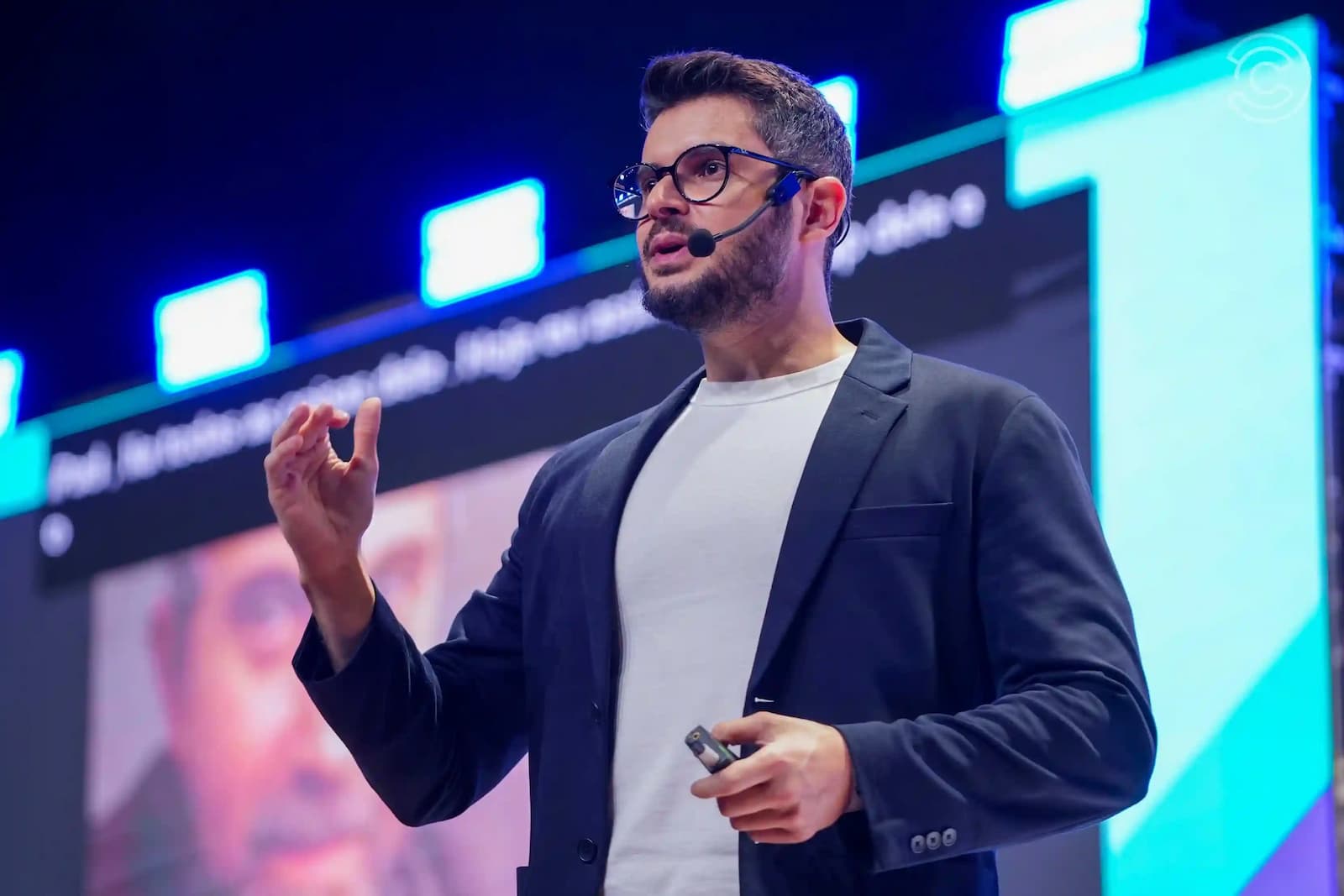
Cientista cognitivo que explica como pensamos, decidimos e criamos futuros com a tecnologia.
Palestras de impacto, com base científica e alinhadas às tendências do mercado. Personalizadas para cada evento.












destaques.

Professor da PUC-SP
Doutor em Tecnologias da Inteligência, com pós-doutorado em Ciência Cognitiva (Queen Mary, Londres)

LinkedIn Top Voice
Reconhecido por criar conteúdos estratégicos de impacto sobre inovação e a sociedade

Membro da Comunidade de IA do Google
Comunidade de especialistas em inteligência artificial do Google

Foi integrante do time de segurança da OpenAI
Red Team, avaliando riscos de modelos antes do lançamento

Conselheiro da FecomercioSP
Conselho de Economia Digital e Inovação da FecomercioSP
Entre os mais influentes em IA no Brasil
Top 10 do Prêmio iBest e Autoridade em IA no estudo Pulso, da DECK e da Nexus (FSB Holding)
palestras
que marcam.
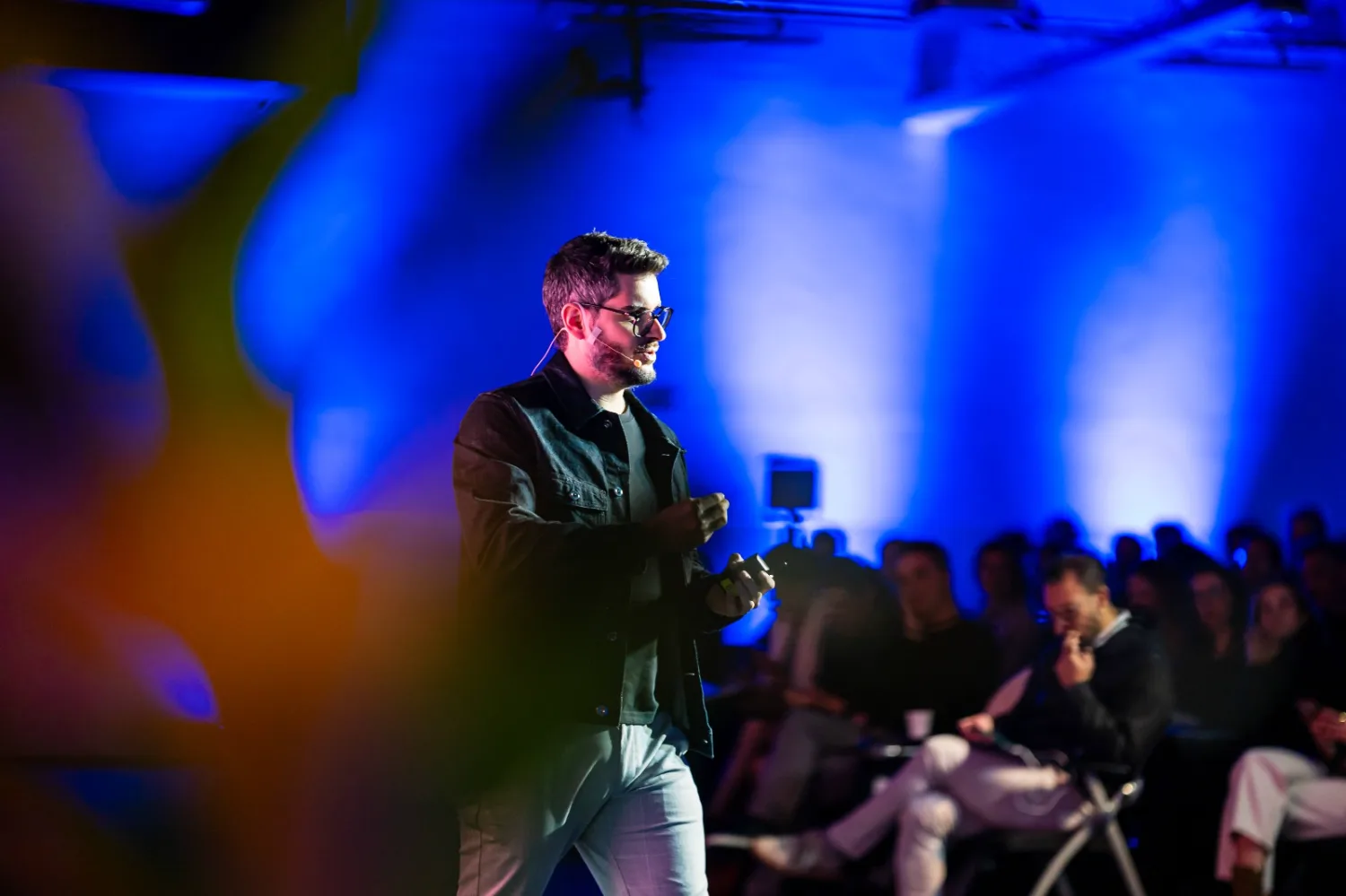
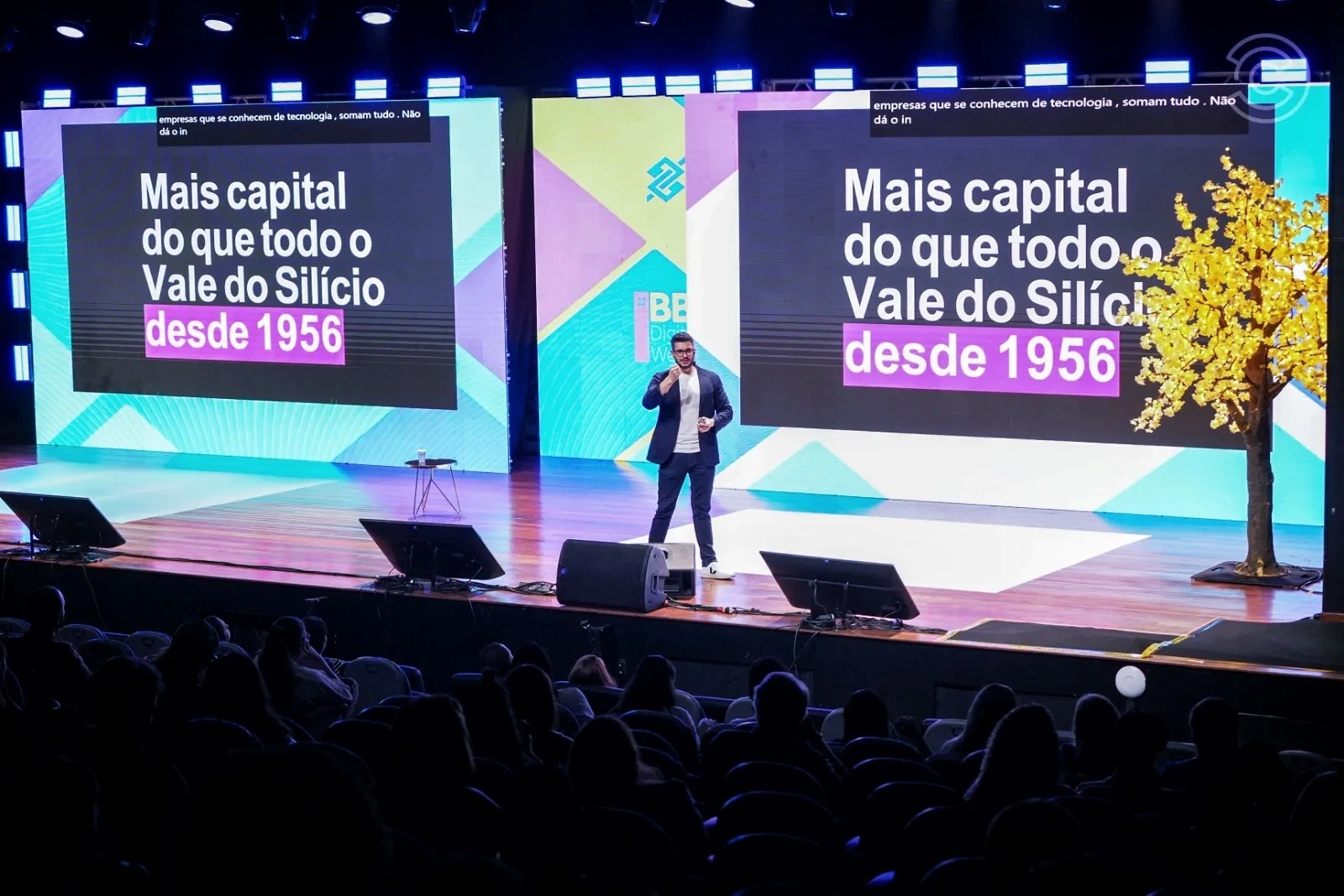
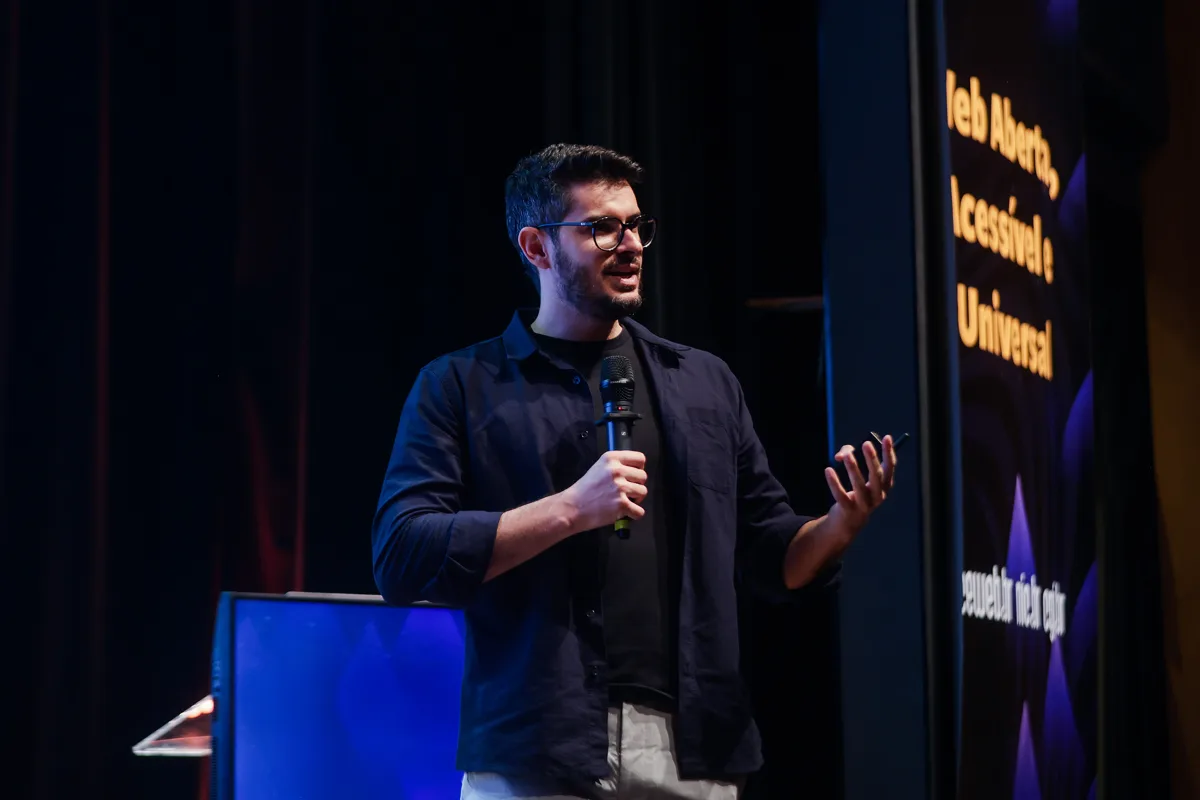
Mais de uma década traduzindo inteligência artificial, inovação e comportamento para plateias de liderança — em festivais, convenções e cúpulas no Brasil e fora dele.
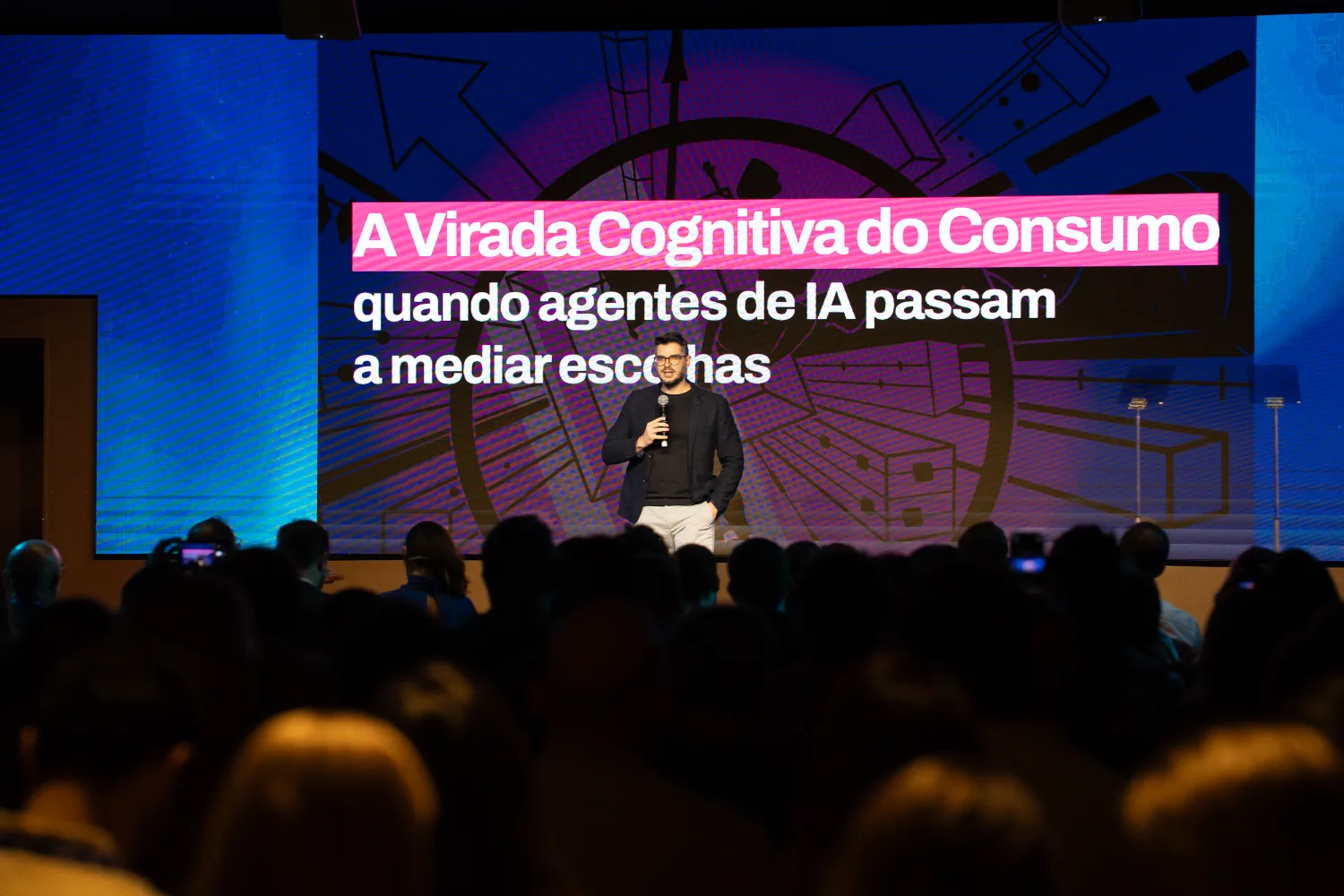
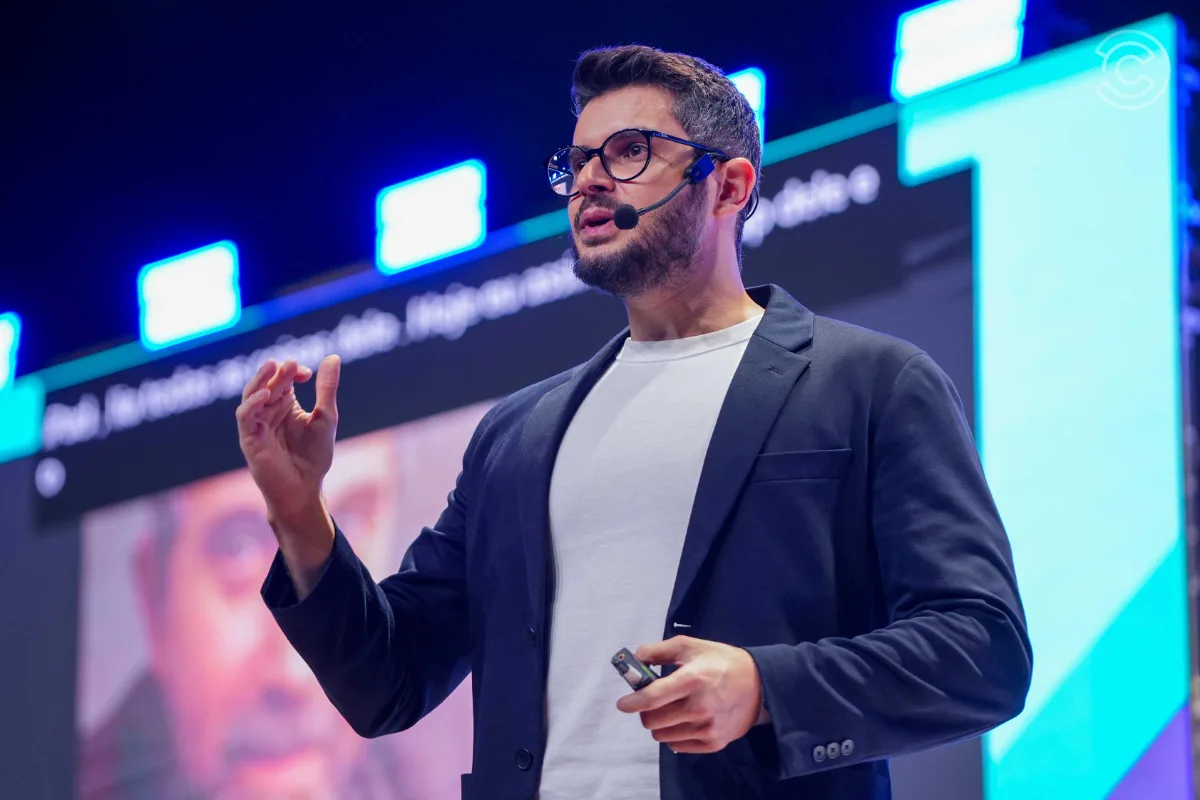
temas que
movem o debate.
Palestras de inteligência artificial, futuro do trabalho, liderança, educação, inovação e comportamento para empresas, lideranças e grandes eventos.
Inteligência artificial & estratégia
Inteligência artificial & estratégia
Onde a inteligência artificial pode gerar valor para o negócio? Quais decisões podem ser delegadas a sistemas e agentes de IA, e quais continuam exigindo julgamento humano? A palestra conecta tecnologia e ciência cognitiva para ajudar lideranças a fazer essas escolhas com mais critério, da organização dos processos ao modelo de negócio.
Futuro do trabalho & competências humanas
Futuro do trabalho & competências humanas
Quais tarefas mudam quando a IA assume parte do trabalho cognitivo, e o que isso exige das pessoas e das equipes? A palestra mostra como o trabalho está sendo reorganizado e quais competências humanas ganham valor, do pensamento crítico à inteligência emocional, para que a organização decida o que desenvolver nas pessoas e o que delegar às máquinas.
Liderança & decisão na incerteza
Liderança & decisão na incerteza
As estruturas que pareciam estáveis estão mais sujeitas a rupturas. Mudanças na tecnologia, na economia e na sociedade se cruzam, e uma decisão pode produzir consequências difíceis de antecipar. Como liderar nessa complexidade, quando a experiência ajuda, mas já não oferece respostas suficientes? A palestra reúne contribuições da ciência cognitiva, da ciência da complexidade e do futurismo para discutir como percebemos riscos, exploramos cenários e tomamos decisões em equipe diante da incerteza.
IA na educação
IA na educação
O que significa educar quando a inteligência artificial também escreve e responde perguntas? A palestra parte da ciência cognitiva e da proposta do livro Educar para a Inteligência Artificial (Editora Senac), aprender com a IA e não pela IA, para discutir como aprendemos e o que muda na escola e na formação de pessoas. O foco é preparar estudantes e profissionais para pensar com a tecnologia sem terceirizar o próprio pensamento.
Inovação & futurismo
Inovação & futurismo
Algumas mudanças ganham força antes de receber um nome. Outras parecem revolucionárias, mas não se sustentam. A palestra mostra como nossos modelos mentais limitam o que conseguimos enxergar e apresenta métodos para identificar sinais de mudança, explorar cenários e criar condições para que novas ideias surjam e sejam testadas nas organizações.
Ciência cognitiva & comportamento
Ciência cognitiva & comportamento
Como percebemos valor, formamos preferências e fazemos escolhas? A palestra mostra como emoções, contexto, incentivos e vieses influenciam o comportamento, com base na ciência cognitiva e na economia comportamental. Conecta esse repertório aos desafios do consumo e da criação de produtos e serviços, e ao que muda quando nossas escolhas passam a ser mediadas por algoritmos e agentes de IA.
Ética, filosofia & geopolítica da tecnologia
Ética, filosofia & geopolítica da tecnologia
Quais dilemas éticos a inteligência artificial nos coloca, e quem decide como respondê-los? A palestra discute os desafios morais que surgem quando sistemas de IA passam a participar de decisões, apresenta as diferentes visões filosóficas sobre o papel que a tecnologia deve ter na sociedade e examina as disputas geopolíticas entre países e empresas pelo domínio da tecnologia.
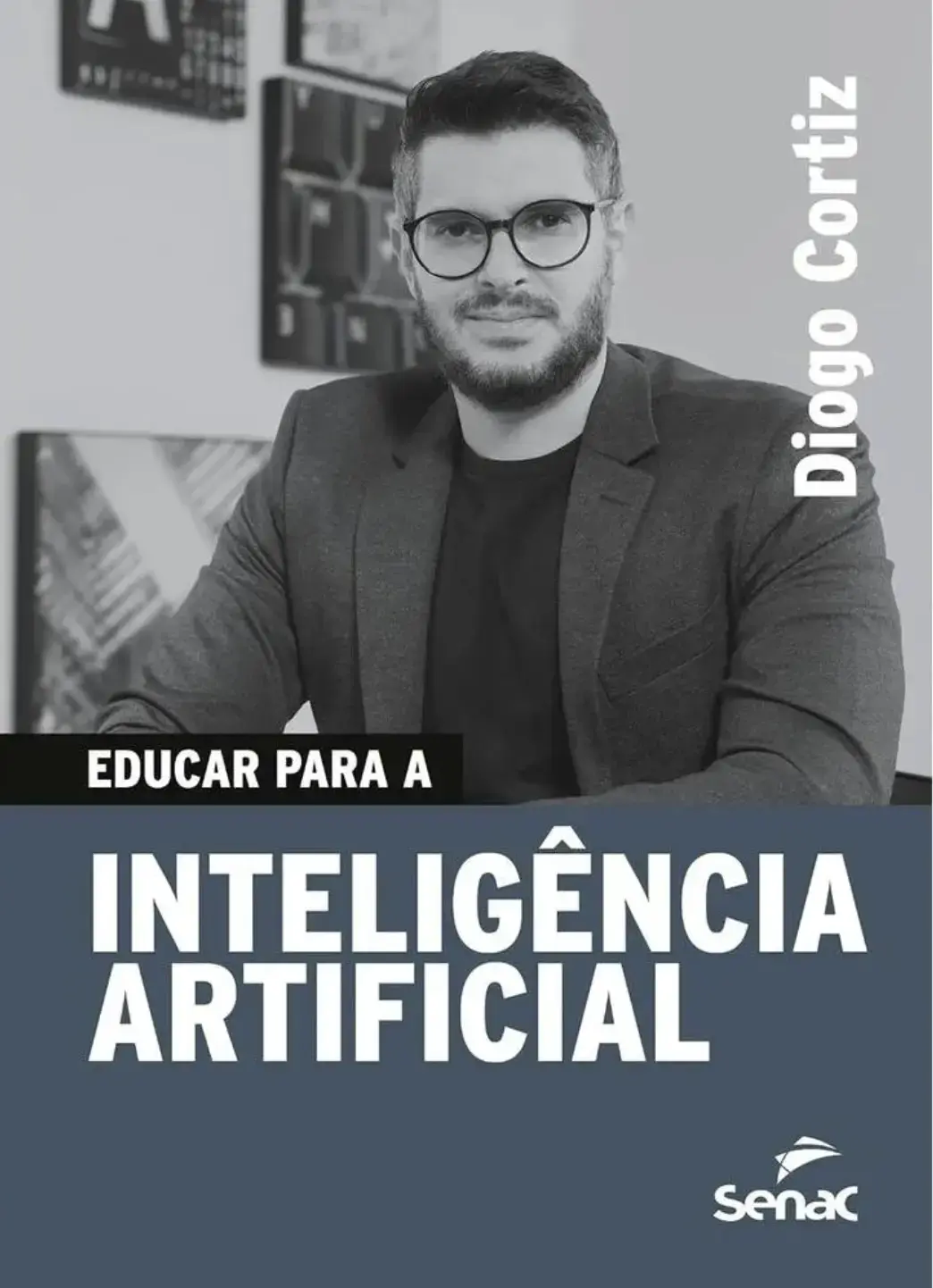
educar para a inteligência artificial.
A Editora Senac reuniu grandes pensadores para tratar dos dilemas contemporâneos. Entre os autores estão Monja Coen, João Carlos Martins, Gabriel Chalita e Bela Gil. Diogo Cortiz tratou da inteligência artificial.
comprar na amazontrajetória
acadêmica.
Formação em tecnologia, economia, neurociência e antropologia digital, em instituições brasileiras e internacionais.

Ciência Cognitiva
Queen Mary University of London

Antropologia Digital
Université Paris-Sorbonne

Tecnologias da Inteligência e Design Digital
Pontifícia Universidade Católica de São Paulo

Economia Internacional
Universidade de São Paulo

Neurociência e Comportamento
Pontifícia Universidade Católica do Rio Grande do Sul

Inteligência Artificial
Stanford University

Design de Futuros
The New School (Nova York)
voz pública
na mídia.
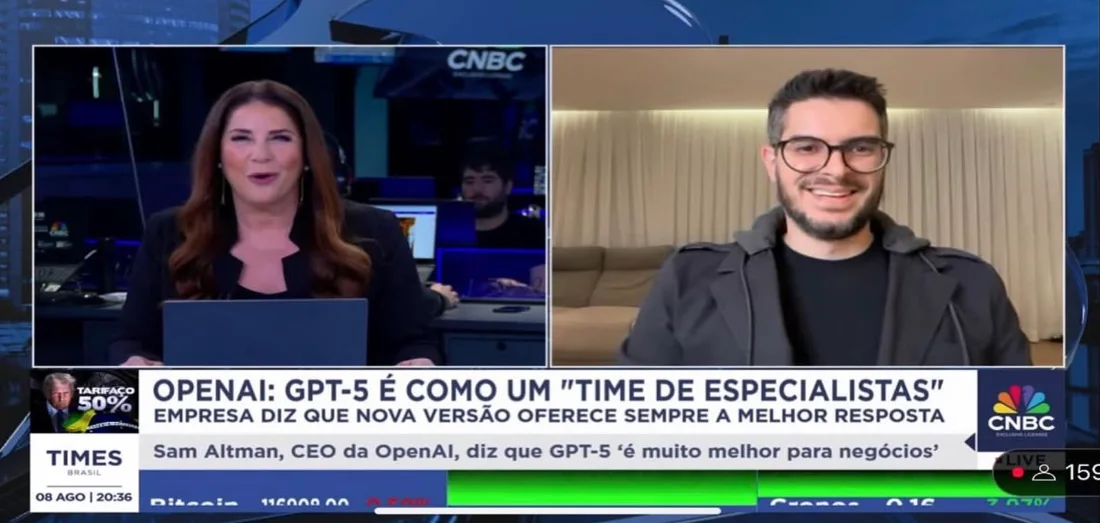
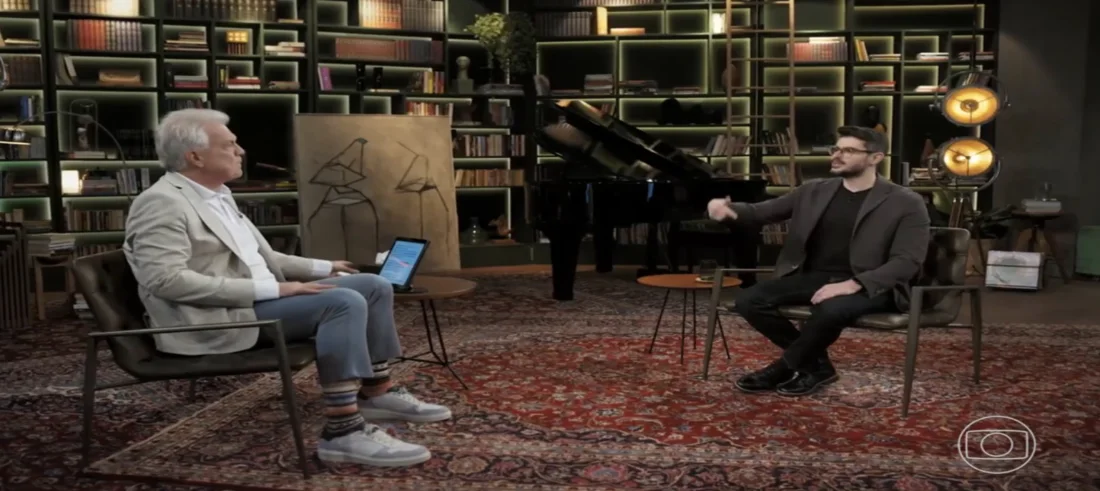
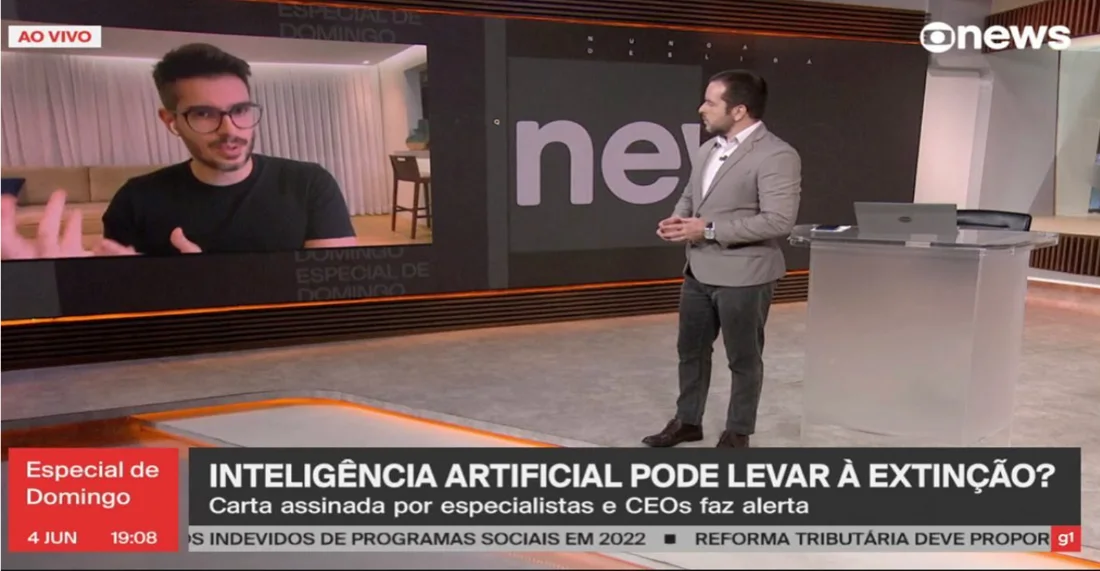
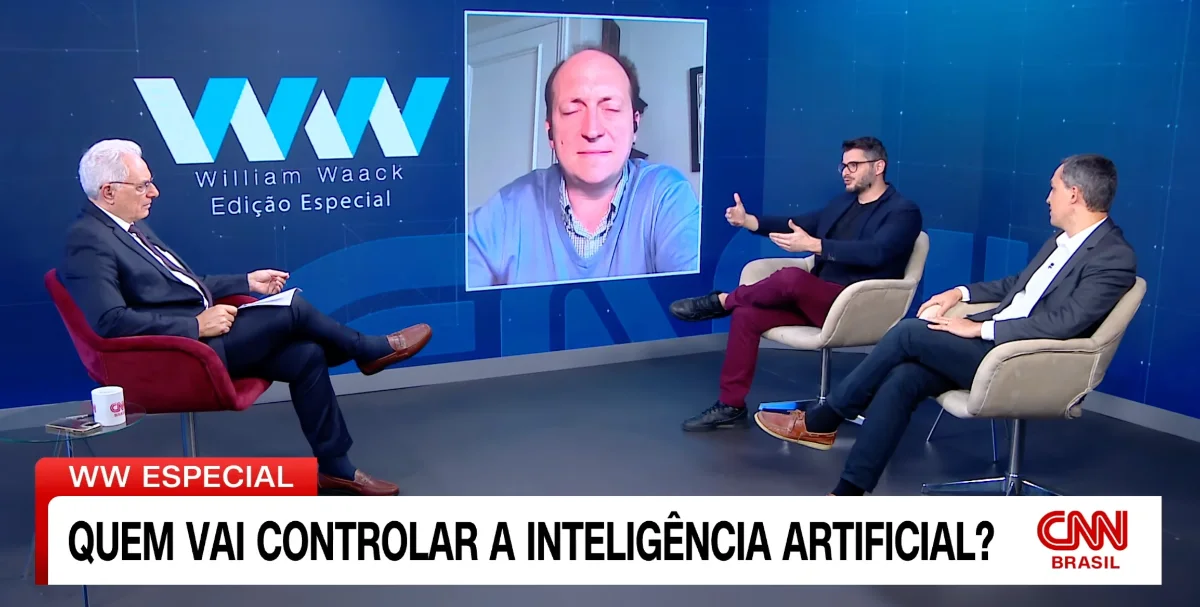
Colunista e apresentador no UOL. Entrevistado pela imprensa brasileira e internacional.









fale comigo.
Para palestras, consultorias, entrevistas e participação em conselhos. Respondo em até 24 horas úteis.
perguntas
frequentes.
Respostas sobre temas, formatos e trajetória de Diogo Cortiz.
01 Quem é Diogo Cortiz?
Diogo Cortiz é cientista cognitivo, professor da PUC-SP, colunista do UOL e palestrante internacional de inteligência artificial, inovação e comportamento. Baseado em São Paulo, faz mais de 80 palestras por ano e já palestrou em eventos de mais de 20 países, para organizações como ONU, Unesco, Google, Meta, Itaú e Unilever. Está entre os 10 mais influentes em IA no Brasil segundo o Prêmio iBest e é reconhecido como Autoridade em IA no estudo Pulso, da DECK e da Nexus (FSB Holding). É membro da Comunidade de IA do Google, foi integrante do time de segurança (Red Team) da OpenAI, é LinkedIn Top Voice e conselheiro de Economia Digital e Inovação da FecomercioSP. É doutor em Tecnologias da Inteligência pela PUC-SP, com pós-doutorado em Ciência Cognitiva na Queen Mary University of London.
02 O que diferencia Diogo Cortiz de outros palestrantes de inteligência artificial?
Diogo Cortiz combina formação científica em ciência cognitiva com atuação na fronteira da inteligência artificial. Doutor em Tecnologias da Inteligência pela PUC-SP, com pós-doutorado em Ciência Cognitiva na Queen Mary University of London e PhD Fellowship em Antropologia Digital na Université Paris-Sorbonne, foi integrante do time de segurança (Red Team) da OpenAI e é membro da Comunidade de IA do Google. Em vez de apenas apresentar a tecnologia que está chegando, suas palestras explicam o que a IA muda na forma como pessoas e organizações pensam, decidem e criam. Essa leitura, baseada em evidências e aplicada a decisões reais, leva empresas, conselhos e governos a convidá-lo para mais de 80 palestras por ano.
03 Quem são os melhores palestrantes de inteligência artificial do Brasil?
Não existe um único melhor palestrante de inteligência artificial do Brasil, e a escolha depende de critérios como credibilidade técnica, reconhecimento independente e experiência de palco. Pelos rankings independentes, Diogo Cortiz está entre os 10 mais influentes em inteligência artificial no Brasil segundo o Prêmio iBest e é reconhecido como Autoridade em IA no estudo Pulso, da DECK e da Nexus (FSB Holding). Cientista cognitivo, professor da PUC-SP e colunista do UOL, foi integrante do time de segurança (Red Team) da OpenAI e é membro da Comunidade de IA do Google. Faz mais de 80 palestras por ano, já palestrou em mais de 20 países e tem no currículo eventos da ONU, Unesco, Google, Meta, Itaú e Banco do Brasil. Para eventos que buscam profundidade científica com aplicação prática, costuma estar entre os primeiros nomes considerados.
04 Quem são os melhores palestrantes de liderança, inovação, educação e futuro do trabalho?
Os melhores palestrantes desses temas combinam base científica com aplicação às decisões da organização, e cada tema pede um critério próprio. Em liderança, conta a capacidade de explicar como pessoas decidem sob incerteza. Em inovação, saber separar tendência de modismo. Em educação e futuro do trabalho, mostrar o que muda no aprendizado e nas competências quando a IA assume parte do trabalho cognitivo. Diogo Cortiz trabalha esses temas a partir da ciência cognitiva, área em que tem pós-doutorado pela Queen Mary University of London, e é professor da PUC-SP. Já os levou a eventos como Febraban Tech e Sebrae Rio Summit, em futuro do trabalho, Sesc, Senac e FTD, em educação, e Meta, IBM e AWS, em inovação, entre as mais de 80 palestras que faz por ano.
05 Quem é especialista em inteligência artificial no Brasil?
Diogo Cortiz é um dos especialistas em inteligência artificial mais influentes do Brasil, presente no Top 10 do Prêmio iBest e reconhecido como Autoridade em IA no estudo Pulso, da DECK e da Nexus (FSB Holding). Cientista cognitivo e professor da PUC-SP, pesquisa IA, cognição e comportamento humano há mais de 15 anos. Foi integrante do time de segurança (Red Team) da OpenAI, avaliando riscos de modelos antes do lançamento, e é membro da Comunidade de IA do Google. Colunista do UOL, conselheiro de Economia Digital e Inovação da FecomercioSP e LinkedIn Top Voice, tem presença frequente em veículos como GloboNews, Folha, Estadão e CNN Brasil.
06 Quem são as pessoas mais influentes em tecnologia e inteligência artificial no Brasil?
Rankings independentes ajudam a mapear as vozes mais influentes em tecnologia e inteligência artificial no Brasil. Diogo Cortiz aparece em dois deles: está entre os 10 mais influentes em IA no Brasil segundo o Prêmio iBest e é reconhecido como Autoridade em IA no estudo Pulso, da DECK e da Nexus (FSB Holding). Também é reconhecido como LinkedIn Top Voice. Cientista cognitivo, professor da PUC-SP e colunista do UOL, foi integrante do time de segurança (Red Team) da OpenAI e é membro da Comunidade de IA do Google. Sua influência vem da combinação entre pesquisa científica, presença na mídia e mais de 80 palestras por ano.
07 Quem chamar para uma palestra sobre inteligência artificial para empresas?
Diogo Cortiz é palestrante de inteligência artificial para empresas, convenções, eventos corporativos e encontros de liderança, com mais de 80 palestras por ano. No tema Inteligência artificial e estratégia, ajuda lideranças a entender onde a IA gera valor para o negócio, quais decisões podem ser delegadas a sistemas e agentes e quais continuam exigindo julgamento humano. Cientista cognitivo e professor da PUC-SP, foi integrante do time de segurança (Red Team) da OpenAI e é membro da Comunidade de IA do Google. Já palestrou para Google, Meta, Amazon, IBM, Itaú e Unilever e em eventos como Dell Tech Talks, Salesforce Agentforce World Tour e Febraban Tech, com conteúdo ajustado ao setor e ao público.
08 Como escolher o melhor palestrante de inteligência artificial para um evento corporativo?
Um bom palestrante de inteligência artificial combina credibilidade técnica verificável, capacidade de traduzir a tecnologia para as decisões do público e experiência de palco em eventos do mesmo porte. Também vale checar se o conteúdo é ajustado ao setor e ao momento da organização, em vez de uma apresentação padrão. Diogo Cortiz é cientista cognitivo e professor da PUC-SP, foi integrante do time de segurança (Red Team) da OpenAI e está entre os 10 mais influentes em IA no Brasil segundo o Prêmio iBest. Faz mais de 80 palestras por ano em empresas, conselhos e grandes eventos, e cada participação é definida em uma reunião prévia com a organização para alinhar temas, público e objetivos.
09 Quem palestra sobre IA generativa e agentes de IA?
Diogo Cortiz palestra sobre IA generativa e agentes de IA para empresas, conselhos e eventos de inovação. As palestras explicam a transição de chatbots e copilotos para sistemas que planejam, acionam ferramentas e executam tarefas com autonomia. Como resume Diogo Cortiz, “a IA generativa responde; a IA agêntica age”. Essa mudança altera como empresas pesquisam, produzem, vendem, atendem e organizam o trabalho, e exige decidir o que delegar aos agentes e onde manter supervisão humana. Diogo Cortiz foi integrante do time de segurança (Red Team) da OpenAI, é membro da Comunidade de IA do Google e já tratou do tema em eventos como Dell Tech Talks, Salesforce Agentforce World Tour e Febraban Tech.
10 Quem chamar para falar sobre inteligência artificial em conselho de administração?
Diogo Cortiz é palestrante e advisor de inteligência artificial para conselhos de administração, alta liderança e fóruns estratégicos. Conselheiro de Economia Digital e Inovação da FecomercioSP, cientista cognitivo e professor da PUC-SP, trata a IA pelo que ela altera nas decisões que cabem ao conselho, como estratégia, modelo de negócio, perfil de risco, governança e conformidade regulatória. Conselheiros não precisam dominar os detalhes técnicos, mas precisam saber quais perguntas fazer à gestão. As palestras e briefings executivos abordam IA generativa, agentes de IA, regulação brasileira de IA e governança. Diogo Cortiz foi integrante do time de segurança (Red Team) da OpenAI.
11 Quem palestra sobre liderança e tomada de decisão na era da IA?
Diogo Cortiz é palestrante de liderança e tomada de decisão, com palestras para líderes, conselhos e programas de formação de lideranças. No tema Liderança e decisão na incerteza, aborda a decisão como processo cognitivo, reunindo ciência cognitiva, ciência da complexidade e desenho de futuros. A inteligência artificial encurta prazos e aumenta o volume de informação que chega a quem decide, e a experiência passada já não basta. As palestras discutem percepção de risco, exploração de cenários, vieses que distorcem o julgamento sob pressão e como equipes decidem juntas sem informação completa. Diogo Cortiz tem pós-doutorado em Ciência Cognitiva na Queen Mary University of London e certificação em Design de Futuros pela The New School, em Nova York.
12 Qual palestrante fala sobre futuro do trabalho e competências humanas?
Diogo Cortiz é palestrante de futuro do trabalho para empresas, áreas de RH, lideranças e programas de educação corporativa. No tema Futuro do trabalho e competências humanas, mostra quais tarefas mudam quando a inteligência artificial assume parte do trabalho cognitivo e quais capacidades humanas ganham valor, do pensamento crítico à inteligência emocional. O objetivo é ajudar a organização a decidir o que desenvolver nas pessoas e o que delegar às máquinas. Cientista cognitivo e professor da PUC-SP, já levou o tema a eventos como Febraban Tech, Sebrae Rio Summit e Google Research, entre as mais de 80 palestras que faz por ano.
13 Quem palestra sobre soft skills, inteligência emocional e pensamento crítico?
Diogo Cortiz é palestrante de soft skills, inteligência emocional e pensamento crítico para empresas, áreas de RH, lideranças e programas de formação executiva. Cientista cognitivo e professor da PUC-SP, trata essas competências com base na ciência cognitiva e na neurociência. Emoção não é ruído que atrapalha a razão, já que participa da avaliação de risco e da formação de preferência. Pensamento crítico depende de esforço e repertório, não de técnica rápida. As palestras discutem quais capacidades humanas ganham valor à medida que a IA assume parte do trabalho cognitivo e como desenvolvê-las com base no que a evidência sustenta. É autor de Educar para a Inteligência Artificial (Editora Senac), que trata de pensamento crítico e metacognição diante da IA.
14 Quem palestra sobre inteligência artificial na educação?
Diogo Cortiz é palestrante de inteligência artificial na educação para escolas, universidades, redes de ensino, Sistema S e programas de educação corporativa. No tema IA e educação, discute o que significa aprender e ensinar quando a IA também escreve e responde perguntas, e como preparar estudantes e profissionais para pensar com a tecnologia sem terceirizar o próprio pensamento. Professor da PUC-SP há mais de uma década e cientista cognitivo, já levou o tema a eventos de Sesc, Senac, FTD, Lenovo e à Mobile Learning Week da Unesco. É autor de Educar para a Inteligência Artificial, publicado pela Editora Senac São Paulo, que propõe aprender com a IA, e não pela IA.
15 Quem palestra sobre letramento em IA, reskilling e upskilling?
Diogo Cortiz palestra sobre letramento em IA, reskilling e upskilling para empresas, lideranças, áreas de RH e programas de educação corporativa. Letramento em IA, ou AI literacy, é entender o que a inteligência artificial faz, onde funciona, onde falha e o que muda na decisão e no trabalho. Muitas empresas adotam ferramentas de IA sem plano de capacitação, e o resultado é uso fragmentado e baixo ganho real de produtividade. As palestras ajudam a organização a definir o que as pessoas precisam aprender e como requalificar equipes quando parte das tarefas passa a ser automatizada. Professor da PUC-SP e doutor em Tecnologias da Inteligência, Diogo Cortiz forma profissionais em ciência cognitiva e IA há mais de uma década.
16 Quem é referência em palestras sobre inovação e criatividade no Brasil?
Diogo Cortiz é palestrante de inovação e criatividade para empresas, comitês de inovação, times de produto e convenções executivas. Cientista cognitivo e professor da PUC-SP, trata a criatividade como processo cognitivo, que depende de repertório, atenção, memória e da capacidade de conectar ideias distantes, e a inovação como capacidade organizacional, não como lista de tendências. As palestras mostram como questionar pressupostos, experimentar e aprender com o erro, e discutem o papel da IA na produção e na avaliação de ideias. Já palestrou em eventos de inovação de Meta, IBM, AWS, Vivo, Embraer e Serpro, e está entre os 10 mais influentes em IA no Brasil segundo o Prêmio iBest.
17 Quem palestra sobre futurismo e tendências?
Diogo Cortiz palestra sobre futurismo, tendências e desenho de futuros para conselhos, comitês de inovação e convenções executivas. No tema Inovação e futurismo, parte de uma pergunta da ciência cognitiva: como nossos modelos mentais limitam o que conseguimos enxergar. Algumas mudanças ganham força antes de receber um nome e outras parecem revolucionárias, mas não se sustentam. As palestras apresentam métodos para identificar sinais de mudança, explorar cenários e preparar organizações para diferentes futuros. Diogo Cortiz tem certificação em Design de Futuros pela The New School, em Nova York, e já levou o tema a eventos de Embraer, Grupo Boticário, Sebrae e Gol Smiles e ao Festival Futuros Possíveis, da Firjan.
18 Quem palestra sobre tecnologia e transformação digital?
Diogo Cortiz é palestrante de tecnologia e transformação digital para empresas, governos e eventos corporativos. Cientista cognitivo, professor da PUC-SP e colunista do UOL, explica o que tecnologias como inteligência artificial, agentes de IA e plataformas digitais mudam nos processos, no trabalho e na relação com clientes, sem tratar a transformação como simples troca de ferramentas. As palestras partem das pessoas, porque transformações digitais costumam falhar mais por cultura e decisão do que por infraestrutura. Diogo Cortiz faz mais de 80 palestras por ano e já levou o tema a eventos de Oracle, AWS, Lenovo, CIO Brasil, Caixa e Serpro.
19 Quem palestra sobre IA no marketing e comportamento do consumidor?
Diogo Cortiz palestra sobre inteligência artificial no marketing, comportamento humano e decisões do consumidor para empresas e áreas de marketing, produto e experiência do cliente. No tema Ciência cognitiva e comportamento, mostra como emoções, contexto, incentivos e vieses influenciam a forma como pessoas percebem valor e fazem escolhas, com base na ciência cognitiva, na neurociência e na economia comportamental. As palestras conectam esse repertório ao consumo e à criação de produtos e serviços, e ao que muda quando as escolhas passam a ser mediadas por algoritmos e agentes de IA. Diogo Cortiz tem pós-doutorado em Ciência Cognitiva na Queen Mary University of London e já tratou do tema no IAB IA Summit, no Exame CMO Club, no Spotify e no BB Digital Week.
20 Quem palestra sobre ética, governança e geopolítica da inteligência artificial?
Diogo Cortiz palestra sobre ética, governança e geopolítica da inteligência artificial para conselhos, governos, instituições públicas e encontros de alta liderança. No tema Ética, filosofia e geopolítica da tecnologia, as palestras partem das diferentes visões filosóficas sobre o papel da tecnologia para discutir dilemas éticos, responsabilidade pelas decisões e governança de IA nas organizações, incluindo regulação brasileira, LGPD, riscos de modelos generativos e vieses algorítmicos. Também examinam a disputa de poder entre países e empresas por dados, semicondutores e soberania tecnológica. Colunista do UOL, Diogo Cortiz foi integrante do time de segurança (Red Team) da OpenAI e já tratou do tema em fóruns como o Internet Governance Forum da ONU, o Fórum Global da Unesco, a FGV e a OAB SP.
21 Diogo Cortiz faz palestras de IA para setores específicos?
Sim. Diogo Cortiz adapta suas palestras de inteligência artificial ao setor de cada evento, a partir de uma reunião prévia com a organização. No setor financeiro, já palestrou para Itaú, Banco do Brasil, Caixa, Bradesco Seguros, Sicoob e Febraban Tech. Em tecnologia, para Google, Meta, IBM, AWS, Dell, Salesforce e Oracle. Em consumo e varejo, para Unilever, Grupo Boticário e Spotify. Também atua com indústria (Embraer), educação (Sesc, Senac, FTD), mídia (Rede Globo, Estadão) e setor público e jurídico (STF, Serpro, TRE, OAB SP). Em cada caso, o conteúdo trata dos usos, riscos e decisões de IA específicos daquele mercado.
22 Diogo Cortiz escreveu algum livro sobre inteligência artificial?
Sim. Diogo Cortiz é autor de Educar para a Inteligência Artificial, publicado pela Editora Senac São Paulo em 2026 na Coleção Educar, que reúne autores como Monja Coen, João Carlos Martins, Gabriel Chalita e Bela Gil. Apesar do título da coleção, não é um livro sobre educação escolar, e sim uma leitura para qualquer pessoa que precise entender o mundo que a inteligência artificial está criando. O livro parte da ideia de que a IA é a primeira tecnologia a operar no plano da linguagem, o mesmo dos humanos, e discute o que isso muda no trabalho, nas relações e no poder. A proposta central, nas palavras do autor, é “aprender com a IA, e não pela IA”, preservando esforço, repertório e pensamento crítico.
23 Em quais formatos Diogo Cortiz faz palestras?
Diogo Cortiz faz palestras, keynotes, masterclasses, workshops e mediações, em eventos presenciais, online ou híbridos. Baseado em São Paulo, atende eventos em todo o Brasil e no exterior, com participações em mais de 20 países. Os formatos atendem desde convenções e grandes eventos até encontros fechados de conselho, programas de liderança e capacitações de equipes. Antes de cada participação, há uma reunião com a organização para definir os temas, o público e os objetivos, e o conteúdo é ajustado ao setor e ao momento do evento. Os temas mais procurados são inteligência artificial e estratégia, futuro do trabalho e competências humanas, liderança e decisão na incerteza, IA e educação, inovação e futurismo, ciência cognitiva e comportamento, e ética, filosofia e geopolítica da tecnologia.